


In 2020, nearly 355 tonnes of chocolate were consumed in France, according to the French chocolate industry association. That is an average of 6.4 kg per person per year, making France the world's 6th largest consumer of chocolate.
As major consumers of chocolate, we share responsibility for its environmental impact.
Let's explore together the conditions of chocolate production and its global impact. We'll help you identify and choose responsible chocolate as the holiday season approaches.

How is chocolate made?
Chocolate production ...
Chocolate is made from cacao, which is processed through a precise method: harvesting cacao beans, drying, cracking, and roasting. Cacao beans are grown in Latin America (Mexico, Venezuela, Colombia) and Africa (Cameroon, Côte d'Ivoire).
The cacao is then mixed with sugar and milk and ground to make the chocolate bars we know so well.
From an environmental perspective
The intensive cultivation of cacao beans to meet the growing demand for chocolate leads to many problems. These plantations require a lot of water to grow. It is estimated that 20,000 liters of rainwater are needed to produce 1 kg of cacao. Worse still, it would take more than 3,000 liters of water to produce a 200-gram chocolate bar.
Cacao plantations, like many others, are subject to intensive pesticide use that heavily pollutes groundwater.
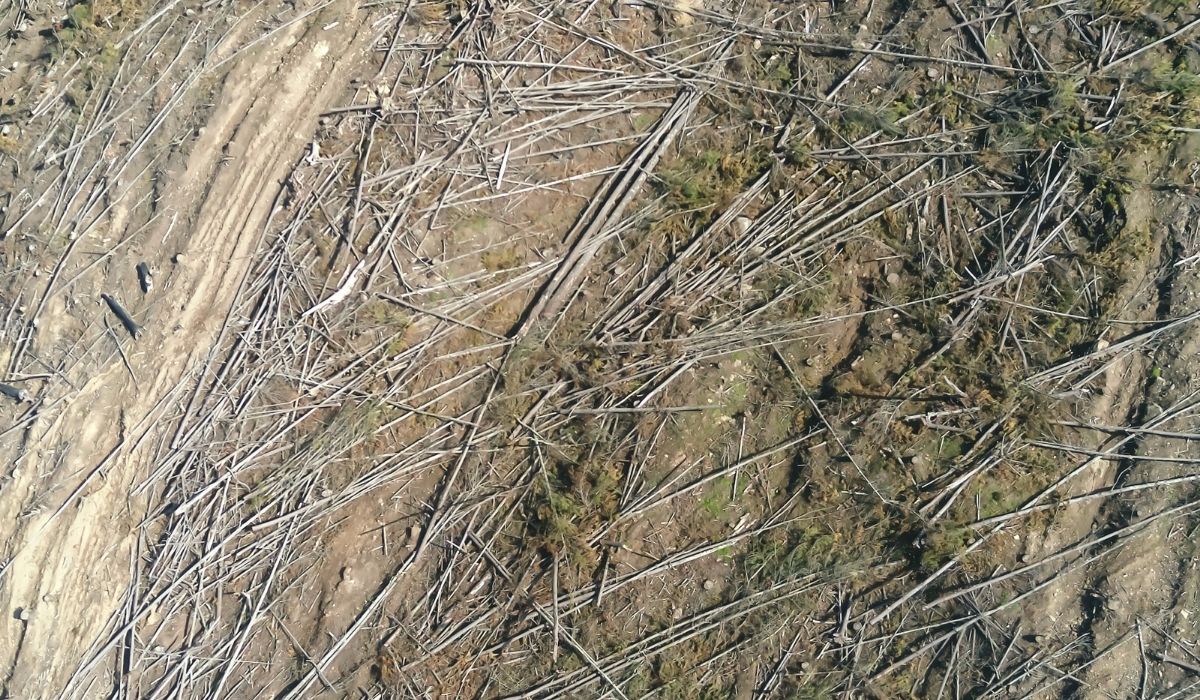
Furthermore, cacao production contributes to deforestation. Trees are cut down to make way for plantations. As demand continues to rise, deforestation increases as well.
Finally, it is estimated that 70% of chocolate's carbon footprint comes from cacao production. The rest comes from the addition of ingredients such as milk or sugar, packaging, and transport.
From a social perspective
Plantations therefore require a warm, humid, tropical climate. Because this climate is found in developing countries, it is not uncommon to see workers, and sometimes even children, being exploited. High demand also leads to illegal plantations that do not respect workers' rights.

Dark, milk, or white chocolate?
Each type of chocolate has an impact on the planet. Dark chocolate is said to be the least polluting of all chocolates. This is because it is the least processed. Adding sugar and milk significantly increases chocolate's carbon footprint.
White chocolate, on the other hand, contains only cocoa butter and no cocoa mass, unlike the others. This makes it sweeter and higher in dairy. Its carbon footprint remains significant: milk production produces methane from cows, which contributes to greenhouse gas emissions.

Simply put, consuming large amounts of chocolate is harmful to the environment and to people. Should we stop eating chocolate? Not necessarily. We should eat chocolate more responsibly, by choosing responsible chocolate while reducing our consumption.
What is responsible chocolate?
Responsible chocolate is defined as chocolate that limits its impact on the planet. The ingredients remain the same: cacao, dairy, and sugar. But the origin and production conditions of these ingredients can make all the difference.
Organic chocolate
Consuming organic chocolate limits pesticide use on cacao plantations. This helps reduce pollution in groundwater and throughout the entire ecosystem.
The milk used can also come from organic farming:
- cows are raised on organic farms
- Fewer cows are kept in each herd
- Their well-being is prioritized, particularly in terms of hygiene and lighting
- They are fed organic food
- They graze outdoors whenever possible, and other forms of feeding are limited
- They are not given antibiotics (except when ill, and only under supervision)

Certified chocolate
Responsible chocolate is also fair-trade chocolate.
In these developing countries and among relatively poor populations, fair trade is a necessity.
To consume responsible and ethical chocolate, you can rely on certain labels:
Fairtrade/ Max Havelaar
This label guarantees fair pay for producers and workers, decent working conditions, environmental protection, and the preservation of producers' independence.
World Fair Trade Organization (WFTO)This label has very strict standards and is governed by precise rules:
- Transparency
- Prohibition of child forced labor
- Good working conditions
- Fair pay
- Respect for the cultural identity and expertise of local communities
- Environmental protection.
A French label, it guarantees agricultural, commercial, social, and environmental commitments. Pay is fair, and working conditions must meet safety, hygiene, and workers' rights standards. In addition, organic products are distributed through specialized retailers that adhere to strict organic rules.
There are many other labels, and we encourage you to be skeptical and research thoroughly before trusting claims on packaging. Greenwashing (a marketing method designed to make environmental and social commitments seem credible) is becoming increasingly common, even within the food industry.
Organic farming
A French label, it guarantees that no pesticides, synthetic chemicals, or GMOs are used during production. It certifies that at least 95% of the ingredients in processed products are organic, and that raw products are 100% organic.

Brands we have identified
To help you choose, we have selected a few brands that offer responsible chocolate:
Ombar Chocolate
A vegan chocolate brand that guarantees chocolate without animal-derived ingredients.
You can also find white chocolate, normally made with cow's milk, made with plant-based milk. Plant-based milk is less polluting than cow's milk.
Bovetti Chocolatiers
Organic, fair-trade artisanal chocolate, this chocolate is responsible and a sign of chocolate-making expertise.
Villars Swiss chocolatier
Fair trade and organic, this chocolate limits its impact on the environment while showcasing Swiss expertise.
Ethical
The brand offers organic and fair trade chocolate. It is certified and controlled. Committed to working alongside producers, this brand actively supports them.
We also recommend turning to local chocolate producers. Buying local can help reduce the environmental impact of transport.
In conclusion, consuming responsible chocolate means doing your part to preserve the planet and protect workers. Remember to check the labels and ingredients of your chocolate to make sure you're making the right choice. Every little bit helps. You can start making a difference simply by choosing the chocolate you eat during the holidays!
What about you—do you have a favorite chocolate brand? Share it with us in the comments.
And for more information on environmentally friendly topics, feel free to sign up for our eco-inspiring newsletter.
Sources:


