


We have already talked to you about alternatives to leather, including Pinatex in a previous article. So you have probably already heard of this strange material from Latin America: Pinatex or pineapple plant fibers. It is talked about in the eco-responsible world. But what exactly is it? Where does it come from? How is it used? Let's break down all its characteristics together and why turn to this alternative.
What is Pinatex?
Pinatex is a 100% natural and vegan material, it is an eco-responsible and innovative textile material. It is often explained as being a material composed of plant fibers.
When Carmen Hijosa, former manager of a luxury factory in Ireland, discovered the devastation of leather goods on the environment during the 90s, she decided to find an alternative to offer to the general public. She is aware that during the 50s, PVC (polyvinyl chloride) and polyurethane experienced a certain boom due to their similarity to leather. However, this “solution” is not sustainable and is not very eco-friendly. It was after 12 years of research that Carmen developed a particularly responsible material. She then filed a patent for Pinatex in 2018. She has this plant material produced in the Philippines, the third largest pineapple-producing country in the world. That is where Pinatex was born.
How is Pinatex made?
Pinatex is the result of the transformation of a byproduct of the pineapple harvest. Made from the leaves left behind during the harvest in the Philippines, Pinatex is a material that originates from existing plant waste. It is part of a circular economy that does not produce new waste. The raw material does not need additional resources to be produced. Several steps are required to create the material:
- Step 1: Picking up the leaves and collecting the longest fibers
- Step 2: Cleaning and drying the leaves in the sun or in ovens during the rainy season
- Step 3: Purifying and sorting the leaves to keep only the most relevant extracts for production.
- Step 4: Mixing with natural polylactic acid (from corn)
- Step 5: Hot pressing the material
To summarize, Pinatex is a natural material, without chemicals, without animal origins, so it is plant-based and vegan.
Where can you find Pinatex?
The material is sold only by one company in the world located in the Philippines. It is the brand Ananas Anam that markets it worldwide for many brands. Large retailers use Pinatex for items, but other smaller brands with an eco-responsible component also use it for their products. It can be used for fashion creations, for leather goods but also for decoration, furniture and even shoes. We can therefore find it in many items that we all have at home.
As this material is little known, we do not yet have the reflex to turn to it for goods we all use. However, it is indeed a plant-based alternative that can be used in many sectors. Professionals can, in turn, turn directly to the supplier Ananas Anam (or brand agents) to supply themselves with Pinatex.
Why use Pinatex?
Now that we know more about this 100% vegan material, and before breaking down the advantages and limitations of Pinatex, here are different reasons to turn to it rather than to more polluting materials.
The most polluting materials
As we know, many industries such as fashion, leather goods, or even furniture are highly polluting, harmful to the environment and wildlife. The negative impact on the planet comes partly from the materials used for production.
Leather
Leather is a material of animal origin that is often pointed out as a material with a negative impact on the environment. It should be known that it is made from animal skins and that it requires intensive farming at the origin of 20% of the planet's greenhouse gas emissions*. In addition, leather requires a lot of water for its creation, which is also a problem. Many resources are therefore used and wasted. In addition, during production, leather requires the use of chemicals to make the skin rot-proof. This process leads to highly toxic discharges for the environment.
Leather can also be a problem regarding animals, as sometimes the cause of significant abuse. Also, the conditions of workers, who are not protected from the toxic materials they use. Many respiratory diseases are linked to leather production.
Polyvinyl chloride
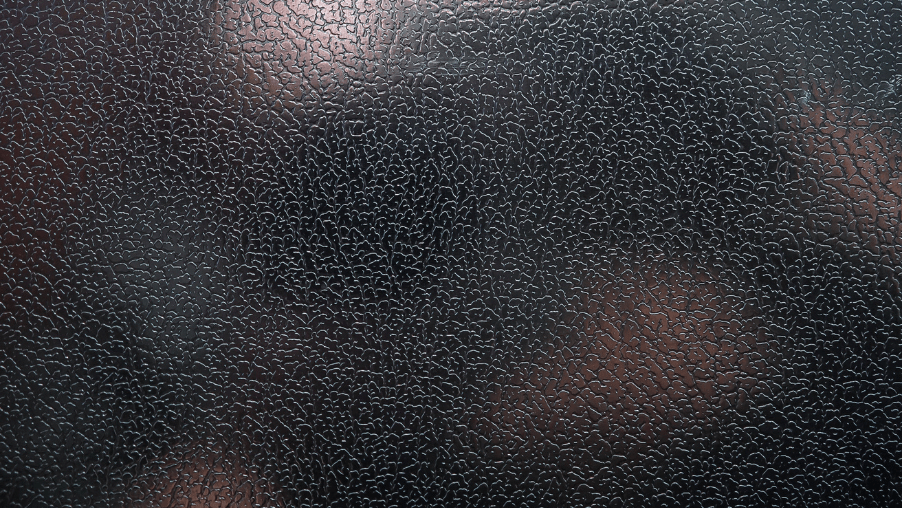
Polyvinyl chloride or “faux leather” is a leather alternative but the latter is also problematic regarding the environment. Indeed, for its production, many chemicals are used, these products also emit highly harmful discharges for the environment. In addition, polyvinyl chloride is not recycled and is produced in very large quantities, which leads to a lot of waste.
Cotton
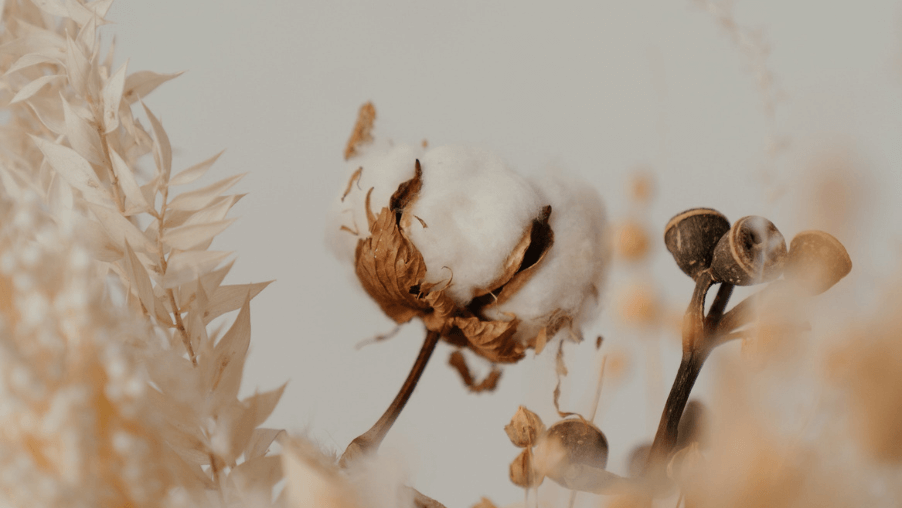
We already talked to you about the consequences of cotton production in another article "eco-friendly jeans, do they exist?". Cotton is an agricultural activity that consumes a lot of water during its manufacturing, it is estimated that it is the third most water-intensive agricultural activity. Even if it only represents 3% of agricultural activities, this last one is not very eco-friendly. In addition, cotton also requires the use of many pesticides, about 10% of pesticide production in 2018. These, as we know, also lead to the pollution of groundwater. It should be known that there is also organic cotton that requires less water for its production than classic cotton.
Other materials are also highly polluting and remain despite everything very used, especially in the fast fashion industry.
The benefits of Pinatex
Following this finding, the use of Pinatex makes perfect sense. It is a 100% plant-based material, no animal suffers from its production, which makes it a vegan material. In addition, Pinatex is a material that reuses existing plant waste, it does not imply intensive production for its manufacturing. Finally, according to the Ananas Anam brand, the production of pinatex has allowed to limit emissions by 264 tons of CO2*. This is explained by the fact that pineapple leaves were used instead of being burned as they are generally done.

Black vegan flat mules - Cairo in Pinatex by 1 PEOPLE
Consuming Pinatex: In practice
Now that you know more about it, you will probably want to buy products made from these famous plant fibers. We explain how to recognize Pinatex, which labels to trust, and how to care for it.
How to recognize it?
Pinatex can come in several forms. The material can be colored directly by the supplier, who uses GOTS-certified pigments for this. The supplier does not recommend printing on Pinatex, as it already has a protective coating. It can therefore be colored before being coated with resin. To the touch, Pinatex is a durable material, sometimes rough, lightweight, and it can bend easily without giving way.
The material is sold in different forms by the sole main supplier:
- Original for colors inspired by nature
- Mineral gives the material a glossy finish and shine
- Metallic with shiny finishes, perfect for the fashion industry
- Performance for a smooth, flat finish and increased resistance to abrasion and water.
Beware of fakes. As Pinatex is an excellent alternative to leather, counterfeit products can be found on the market. We recommend checking the certificates and labels with the brand to ensure that it is indeed Pinatex. The brand's transparency will reassure you about the origin of the raw material.
Labels and certificates
Certain labels and certificates can help you determine whether it is indeed Pinatex. A brand can be vegan with specific labels without necessarily using Pinatex. If you want to check whether it is Pinatex, we recommend contacting the brand and asking for supplier certificates. A brand's transparency regarding its manufacturing processes and choice of materials can help you determine whether it is greenwashing or not.

How to care for it?
Like all materials, Pinatex requires care and maintenance. We recommend cleaning your items with a slightly damp cloth. It is also advisable to let them air dry before optionally applying a protective wax. Items should not be machine-washed or tumble-dried. Dry cleaning is also not possible, nor is ironing. As heat can damage the material, air drying remains the best option for drying your items.
Finally, Pinatex is a good alternative to consuming products normally made from leather in fashion, leather goods, and even footwear. At Meanwhile Boutique, we offer many brands that already use it. We have mentioned some brands that use Pinatex at Meanwhile Boutique, but you will also find many vegan brands. You can discover our entire collection below.
Thus, thanks to its very particular characteristics, Pinatex is a material that can continue to develop and become a benchmark in terms of leather alternatives. However, this vegan material could be a new "excuse" for overconsumption. Eco-responsible alternatives help limit environmental impact, but responsible consumption must also be reasonable. Furthermore, Pinatex is sometimes less durable than animal leather. Despite this, this alternative is significantly more responsible and sustainable. Thus, in the coming years, Pinatex will surely conquer the market. Major brands such as Lancel, Hugo Boss, and even Nike are already starting to offer Pinatex items to avoid using animal leather. Continuing in this direction, Pinatex could become the new responsible leather on a global scale.
And what do you think about it?
Sources:
Photo credits:
Photo by Any Lane from Pexels
Photo by Cottonbro from Pexels
Photo by Luca Nardone from Pexels


