


Welcome to the cutthroat world of fashion, where everyone is trying to set their own rules, a bit like the Dallas saga! This industry, highly polluting especially because of fast fashion, knows no bounds: overproduction, waste of resources, exploitation of labor and the animal industry, intensive use of chemicals, and a frantic race for new, short-lived trends.
However, in the face of this excess, a quality alternative is making its voice heard: ethical fashion. For while some brands seek to make ever-increasing profits, others, on the contrary, wish to promote respect for people, our resources, and animals with equal pay, sustainability, and transparency in working conditions.
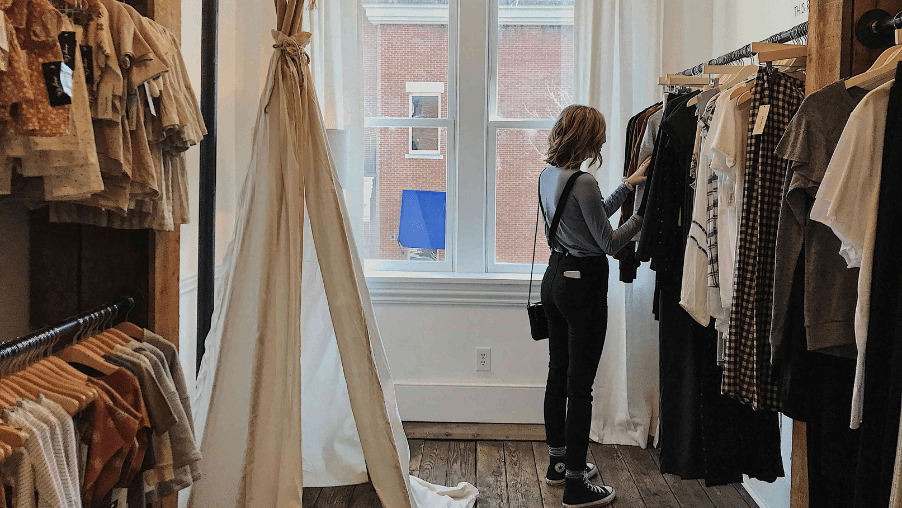
On the consumer side, things are also changing, with a collective awakening, driven by the desire to give meaning back to the act of buying, to get back to basics and to minimize one's impact on the environment.
A new era is opening in the world of fashion, characterized by quality, environmental responsibility, and the positive influence of social media. A revolution in our way of consuming is underway, driven by the rise of responsible practices and brands that make a difference.
Why choose ethical fashion?
Fashion is an industry in perpetual motion. Trends come and go on the streets, on the runways, in the imagination of designers… according to the moods and desires of consumers. Our way of consuming is a hymn to personal pleasure and belonging to a group, dazzled by collections each more attractive than the last.
The consequences are numerous: overconsumption, pollution (with figures that are often difficult to verify), human abuses, and tragedies like that of Rana Plaza in April 2013, where thousands of workers lost their lives in the collapse of a building housing precarious garment workshops, constitute an undeniable reality.
But the good news is, in the face of all this, there are brands that are committed to offering sustainable fashion, responsible and fair. They aspire to change the rules of the game, by considering their impact on people and the environment.
Let's add to this the growing role of "de-influencers" who can be followed on Instagram. These influential figures are abandoning overconsumption to raise their audience's awareness about being anti-fast fashion, thus spreading the values of eco-responsible fashion with a spotlight on affordable thrift stores, second-hand clothing boutiques, and eco-responsible brands emerging on the market…
Unless you live in a cave (and even then), we all face the challenges of the climate crisis, inflation, and the simple desire to own less and get back to basics.
The answer would then be to move towards more thoughtful and responsible consumption. It is no longer conceivable to act as if nothing were happening, and to always consume more without a specific purpose.
So, how do you practically go about saying yes to greener fashion?
Ethical fashion: best practices
Consuming ethical fashion involves adopting committed actions throughout the purchasing process, from production to the end of the product's life. Here are some best practices for responsible consumption:
1 - For ethical fashion: look for eco-responsible brands and read the composition labels
With Meanwhile Boutique, responsible consumption is accessible to everyone thanks to a carefully curated selection as well as the promotion of 17 values, which allow you to buy a product with full knowledge: Made in France, recycled, handmade, limited edition…
Each brand is carefully selected, according to a charter, to meet very specific criteria, which guarantee quality, sustainability, ethics, and transparency. Transparency, which guarantees anti-greenwashing and is a key point when buying from a brand, whether in-store or online.
To find out if a brand is truly ethical, look into the countries of manufacture, the materials used (from no animal origin), the transport of materials, the working conditions in the workshops (labels or certifications)…
In other words, forget fast fashion or at least, limit as much as possible your purchases of clothing from these brands Made in “ non-Europe”, known for their intensive and often unscrupulous production practices.
And look carefully at the composition labels, if you are in stores. For even more simplicity in deciphering labels, Clear Fashion is an application that allows you to scan the barcodes of clothing to get information on the ecological and ethical impact of brands, thus helping you make more sustainable purchasing choices.
2 - For ethical fashion: favor quality over quantity
Prioritize quality items that last over time rather than disposable products. This reduces the need to constantly renew your wardrobe.
Quality is found in the chosen materials:
Opt for clothing made from sustainable and environmentally friendly materials, such as organic cotton, linen, or Tencel, or products made from upcycled materials.
Quality is also found in the details of the finishes such as hems, buttons, zippers. But also through the cut of the garment, the feel of the fabric on the skin...
Finally, prioritize clothing whose manufacturing respects fair working conditions, with fair pay for workers, and thus value quality over quantity, even if it means investing a little more. An ethical t-shirt, well designed and made under good conditions, has a justified cost that contributes to a more sustainable fashion sector.
3 - For ethical fashion: prioritize second-hand
Explore second-hand options, whether in thrift stores, flea markets, or through applications dedicated to ethical fashion to discover responsible brands and find sustainable alternatives. In our article on second-hand applications we explore a variety of platforms that allow you to consume more consciously, by giving new life to existing clothing.
These approaches help extend the life of clothing, thus contributing to the reduction of overproduction and waste. Nothing beats the pleasure of finding unique treasures while respecting your budget and the environment.
4 - For ethical fashion: repair, reuse, recycle
Favor a minimalist lifestyle by reducing your impulsive purchases, prioritizing reuse as much as possible, and recycling your clothes when you are done with them. In reality, our wardrobe does not need to be overloaded with 10 white t-shirts or 3 identical black jeans. The real pleasure lies rather in the thoughtful selection of quality pieces, produced ethically, rather than in overabundance.
Finally, if you have manual skills and are ready to give new life to discarded fabrics, do not hesitate to get into upcycling, an art form to experiment with before favoring clothing made under unethical conditions.
Ethical fashion: 7 brands you absolutely must know
To introduce yourself to green fashion and consume responsibly, here are 7 committed brands with real values and not partisan to greenwashing: it is a misleading communication tactic used by companies to give a false impression of environmental commitment, often for marketing purposes.
Ethical fashion: Komodo, the brand with innovative materials
Komodo is a British brand that uses innovative materials such as organic cotton, recycled plastic, Tencel, linen, bamboo, hemp, and wool. And collaborates with SA8000 and GOTS certified factories in Indonesia, India, and China.
In addition, the brand ships part of its merchandise by sea to reduce its carbon footprint. Socially committed, Komodo supports various charities and environmental projects, notably by being a member of 1% for the Planet.
The ethical fashion piece: These organic cotton joggers, super soft, will delight you on your cozy evenings or your sports sessions. They are vegan, meaning they are made without any animal material and GOTS certified (Global Organic Textile Standard): this generally means that the raw materials used, such as organic cotton here, were grown without the use of pesticides and synthetic chemical fertilizers.
Their values:
♻️ Recycling
👤 Know-how
🌀 Zero plastic
💎 Limited edition
🌿 Organic / Bio
👐🏽 Social and solidarity impact
⚖️ Fair trade
✅ Certified
🏠 Made in Local
Ethical fashion: Avani Apparel, the brand with 100% natural materials
Avani Apparel prioritzes natural and innovative materials such as Tencel, linen, recycled wool, and hemp, all coming from local sources. The products are made by French artisans, located near the showroom, thus contributing to significantly reducing the brand's carbon footprint.
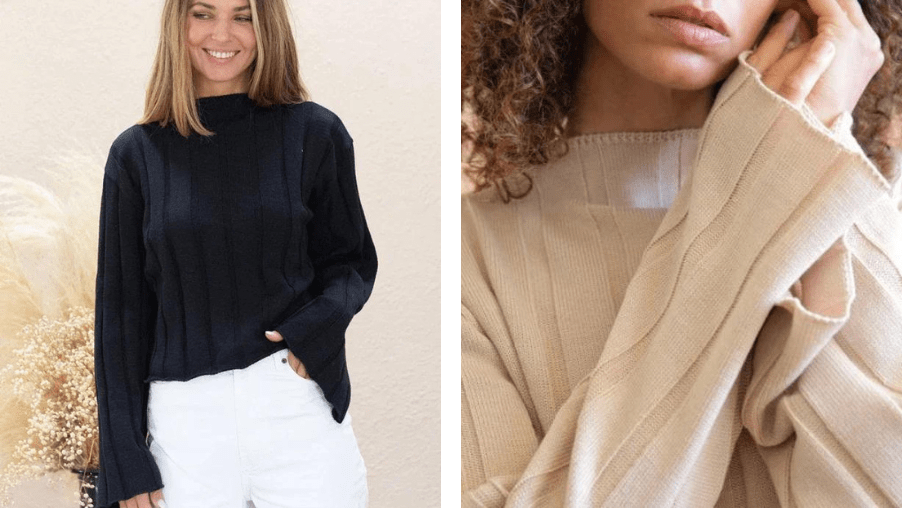
The ethical fashion piece: The black sweater, a must-have basic in your wardrobe. But when we say basic, we also mean quality and not a cheap sweater that loses its shape at the first wash. The composition of this model is clear: 100% recycled merino wool and OEKO-TEX® 100 certified.
It is knitted in Chamberet and made in Roanne, France.
Their values:
🧴 Zero Plastic
🇫🇷 Made In France
🇪🇺 Made In Europe
🏡 Made Locally
👤 Know-how
💎 Limited Edition
⚖️ Fair Trade
✅ Certified
Ethical fashion: Maïana, the artisanal brand inspired by nature
Maïana is a clothing and accessories brand created in 2021, driven by the desire to offer fashion that is both committed and creative. Each piece is entirely handmade by the creator Cloé, in her workshop near La Rochelle, from natural, recycled, and certified materials. Inspired by nature, the brand develops a free and poetic universe, where meaning, aesthetics, and artisanal know-how blend.
Through small-batch production, Maïana prioritizes a responsible approach, without overstock or waste. By valuing ecological materials and local manufacturing, the brand offers a sustainable alternative, combining authenticity and respect for the environment.

The ethical fashion piece: Designed to combine commitment and creativity, eco-responsible fashion allows you to adopt unique pieces in your daily life. The MARGUERITE sweatshirt, handcrafted in La Rochelle, stands out for its retro look and its colorful patches. Made from recycled materials and second-hand fabrics, it embodies a sustainable approach while offering comfort and modernity thanks to its short cut and soft fleece.
Their values:
♻️ Recycling
🔁 Upcycling
👤 Know-how
💎 Limited edition
🇫🇷 Made in France
🌿 Organic / Bio
🐨 Vegan
🌳 Forest preservation
🏠 Made in Local
🗓️ Made to order production
Ethical fashion: Aphaia, the stylish and inclusive brand
Aphaïa is an inclusive eco-responsible clothing brand for women, offering an extensive range of trousers, t-shirts, bras and lingerie adapted to all body types, from size 34 to 52.
Aphaïa prioritises sustainable fabrics such as organic cotton and Tencel, as well as upcycling from deadstock. Production, carried out in France and Portugal, takes place under optimal working conditions for employees.
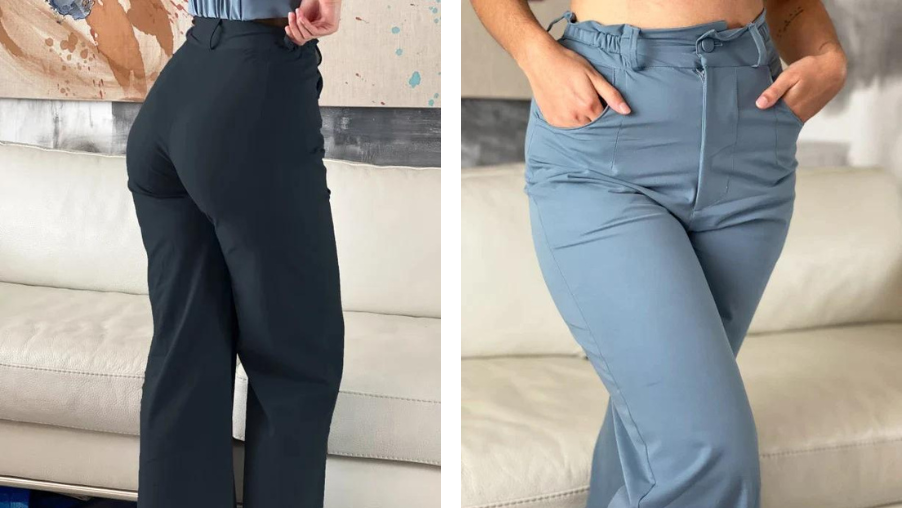
The ethical fashion piece : The black trousers are a timeless basic to have in your wardrobe. With their high waist and pockets, they suit all body types. Made from upcycled fabrics from deadstock, this model is made to order to prevent excess clothing and is available in several colours.
Their values:
🔁 Upcycling
🇫🇷 Made in France
🇪🇺 Made in Europe
💎 Limited edition
🌿 Organic / Organic Farming
🗓️ Made to order
Ethical fashion: Le Temps des Grenouilles, the 100% recycled anti-rain brand
Le Temps des Grenouilles, a brand of rain capes for urban cyclists, takes on the challenge of combining style, practicality and sustainability. By using certified organic or recycled materials, such as plastic bottles transformed into capes, the brand reduces oil consumption and promotes cycling in the rain, thus saving fuel on a daily basis.
The garments are made under fair conditions, and the packaging is recycled.
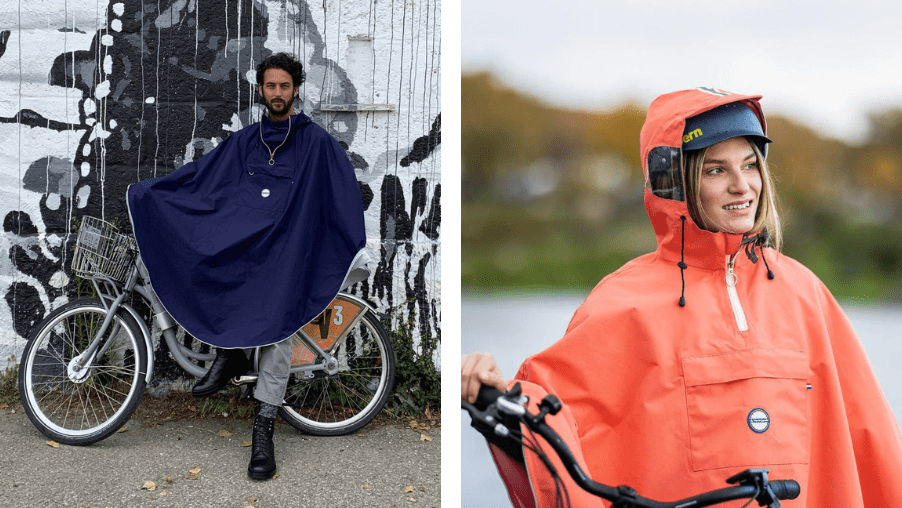
The ethical fashion piece: It's raining, it's wet, it's time to celebrate like a frog! In rainy weather, this cape will keep you protected whether you're cycling or not, with style and ethics. The cape is made from 100% recycled polyester fabric, GRS certified (= Global Recycled Standard). It is designed in a BSCI-certified workshop near Shanghai, guaranteeing fair working conditions and responsible waste management.
Their values:
♻️ Recycling
🌀 Zero waste
🤚🏼 Handmade
🐨 Vegan
View the entire Le Temps des Grenouilles collection
By highlighting a selection of committed brands, we encourage the consumption of ethical fashion, thus promoting environmentally friendly practices and fair working conditions. These brands offer genuine conscious alternatives for fashion that combines style, ethics and sustainability.
And what about you, which is your favourite from this selection for your next responsible purchase?


