


Little by little, today's consumer society is evolving towards more responsible consumption, and we are seeing a collective awareness of the urgent need to act for the preservation of the environment. We at Meanwhile Boutique are delighted to be part of this movement and to help everyone take action for a greener planet, especially through simple everyday actions such as waste sorting.
In France, 88% of French people sort! A figure that has been rising for several years. Although since January 2023, 63.4 million French people can sort all their packagings, this is not the case for the entire population. Furthermore, there are many errors in sorting bins that disrupt the system by contaminating waste intended for recycling bins.
How do you know what not to recycle? The well-stocked Citeo website "Sorting is Giving" allows you to find out what to throw in which bin by department if in doubt. And to make your life easier, here is:
The (non-exhaustive) list of waste that is not recycled!
8 examples of waste that should never be thrown in the yellow bin!
#1 - Plastic bags

For many French people, the "yellow bin" means using a plastic bag collected after shopping. Harmful to the environment, it is a scourge for sorting centers. Why? Some plastic packaging is not suitable for recycling. This is particularly the case for plastic bags. When placed as they are in recycling bins, they tend to get stuck in the machines, causing slowdowns and the contamination of other waste. Because yes, some plastic bags, packaging, or films are made of materials that can contaminate other recyclable materials such as paper, for example. When in contact with this other waste, sorting centers have to discard all the waste that could be contaminated. Not great…
Nevertheless, some plastic bags and packaging can be placed in sorting bins. If a plastic product has a triangular logo with three arrows, it means it is recyclable. If it does not, it simply is not recycled. The same goes for many plastic packages: chocolate bars, orange or mandarin mesh bags, latex gloves, cookie bags. So always check carefully that the recycling logo is present on your bag!
Another tip to know if a plastic bag or flexible packaging is intended for the recycling bin: simply stretch it by pushing through with your thumb. If the plastic stretches easily, it means it is recycled. Otherwise, it should be thrown in the trash.
The Recup Estrie website explains in detail the recycling of plastic packaging.
Creative souls can also recycle these small pieces of plastic in other ways. Instead of throwing away these bags that clutter and pollute the planet, do as William Armor does: create unique works of art. Small flowers, bags, small baskets… let your imagination run wild!
#2 - Wrapping paper

According to Huffington Post, there are approximately 20,000 tons of wrapping paper thrown away every year at Christmas. Contrary to what you might think, some gift wrapping is not recyclable. If you opt for paper wrapping paper, it can indeed be placed in the sorting bin provided it is not crumpled or torn. However, if your wrapping paper is plastic-coated, metallic, or covered in glitter, it must be thrown in household waste. Even if a sorting center agrees to recycle it, which depends on each municipality (don't hesitate to check your sorting guide!), it will cost much more than standard recycling.
Rather than contributing to any sorting problems, opt for kraft paper or zero-waste packaging such as Furoshiki. In fact, we talk about this Japanese technique in more detail in our article Responsible Christmas.
#3 - Broken glass
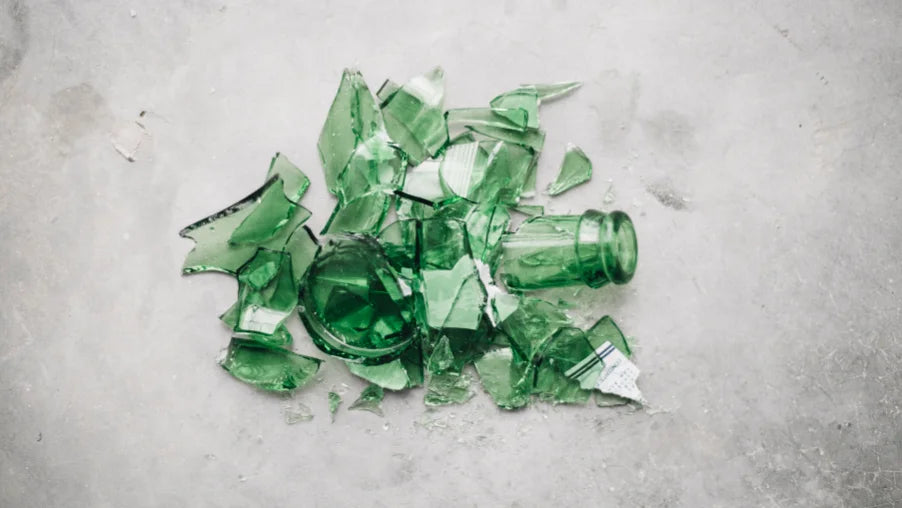
Broken glass happens quickly, and it is tempting to throw the shards in the glass bin. However, although it is glass, it is not recyclable in the same way and must be thrown away with the rest of household waste. Sorting centers are designed for specific types of glass found in bottles and jars, which are of a different quality than tableware glass.
Another idea: upcycle it. With a little imagination and a touch of patience, it is possible to transform pieces of broken glass into decorations or magnificent works of art.
#4 - Cotton swabs
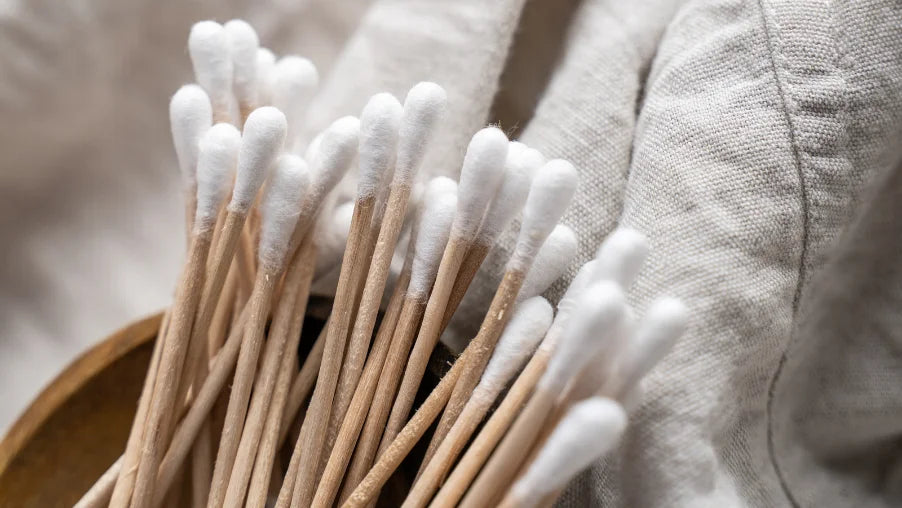
We have all used disposable cotton swabs to clean our ears or treat a wound. However, this very handy little tool is not very good for the planet. A real scourge for biodiversity, it pollutes the seas, oceans, and beaches. To such an extent that it is one of the 10 marine wastes most commonly found on beaches and in the oceans. Plastic cotton swabs, as well as straws and disposable cutlery, have been banned from sale since July 2021.
And it is no wonder that this waste is found absolutely everywhere. Plastic cotton swabs are not recyclable, let alone biodegradable. If you still have any left in your bathroom cabinets and still want to use them, simply throw them in the residual waste bin once they are used.
Today, there are many eco-friendly alternatives to cotton swabs. These include seawater ear sprays or Japanese ear picks. For those who want to keep the single-use aspect, there is a plastic cotton swab alternative: the biodegradable ear swab. The Oceansrespect brand offers biodegradable bamboo ear picks reusable for life. Once used, simply place them in the compost.
#5 - Shredded or cut paper
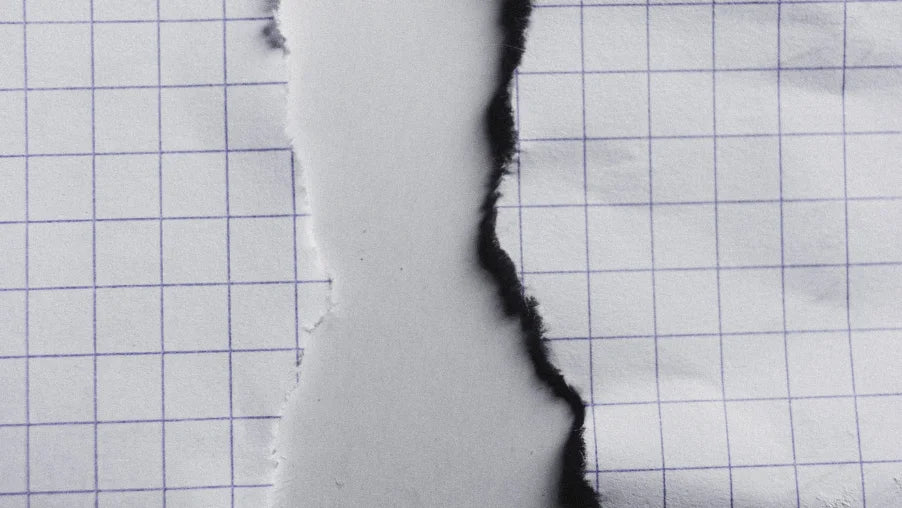
Too difficult to process, too small and costly, shredded paper is often best kept out of the yellow recycling bin. Very often, overwhelmed sorting centers will prefer to discard an entire bin contaminated by micro-paper rather than recycle it. For shredded or cut paper, it is best to put it in the compost or in the household waste bin.
The Destructeur de Documents.com website shares many tips for recycling shredded paper.
Newspapers, magazines, flyers, and other unsoiled papers can be sorted! Place them in the recycling bin dedicated to paper, often blue. To be sure you are following the correct instructions, consult your municipality's sorting guide or download the "Sorting Guide" app.
#6 - Toothpaste tube

Traditionally, most toothpaste tubes are made from plastic and aluminum. Why? Their combination ensures good flexibility and keeps the product well preserved. However, this mixture of materials often makes toothpaste tubes non-recyclable by municipal recycling programs. So once finished, toothpaste tubes are thrown in the regular trash.
Some brands like Signal, for example, are still looking for solutions to the problem by offering some of their packaging in recyclable or biodegradable materials, such as HDPE, the most recyclable plastic in the world.
However, to reduce your environmental impact, you can opt for more sustainable alternatives. The Lamazuna brand offers zero-waste solid toothpastes with eco-responsible packaging. Once finished, its little wooden stick can be composted!
#7 - Hygiene products
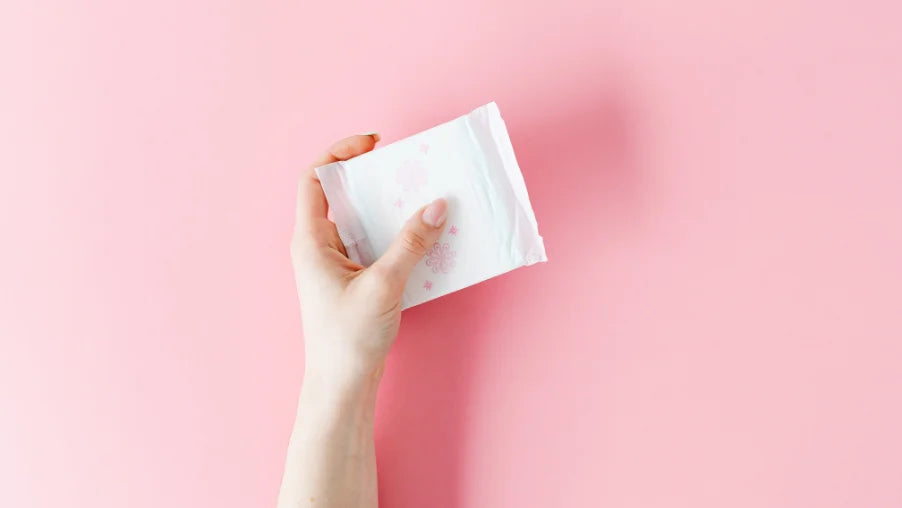
It may seem obvious, but tampons and sanitary pads are not recyclable, even unused! According to Conso Globe, 45 billion sanitary pads are used and thrown away every year worldwide. All too often, this type of waste ends up in yellow bins and contaminates the entire sorting process.
And no, tampons and pads are not thrown in the toilet. Whether used or not, period products are thrown in the household waste bin. To avoid the headache of selective sorting, there are more and more eco-responsible alternatives to feminine menstrual protection such as biodegradable cotton tampons, the cup, or period panties.
At Meanwhile Boutique, the brand Azar Gang offers washable and reusable period panties for different flow levels, made from natural materials. They are therefore healthy for the body and the planet!
#8 - Toilet paper
An analysis by the ecogestes.fr website shows that sanitary textiles (toilet paper, wipes, diapers) account for 34 kg of waste per person per year. A significant figure.
It is hard to believe, but toilet paper is not thrown in sorting bins. Often soiled, wet, and torn, it is difficult to recycle. It is also not recommended to throw it in the toilet because it does not dissolve and can clog the pipes. However, it is compostable only if it is used to absorb organic materials such as soil or food. In other cases, toilet paper belongs in household waste with the rest of non-recyclable waste. Only its cardboard piece is recyclable.
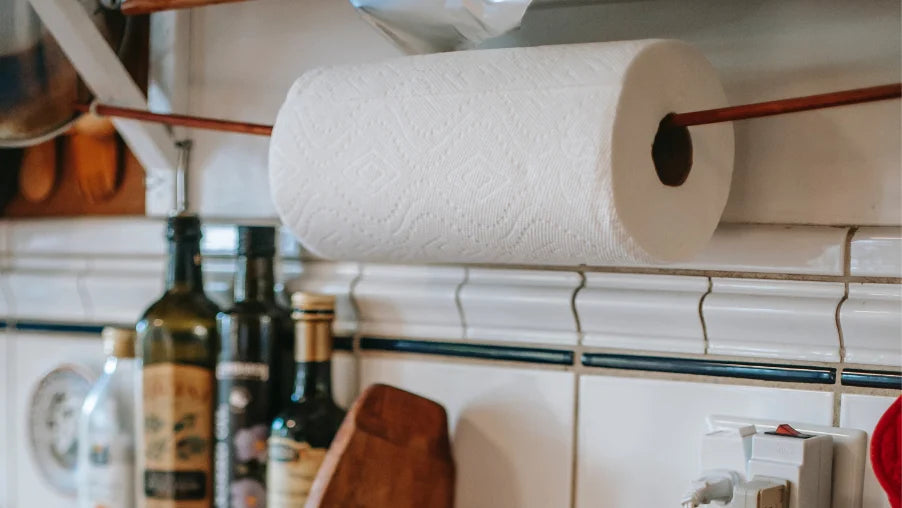
To eliminate any doubt about recyclability, green paper towel solutions are now available on the market. Washable and reusable paper towels or the timeless cloth rag are good eco-friendly alternatives that are just as effective as traditional paper towels.
Discover all items made from recycled materials.
Recycling, although not perfect, helps return resources to a virtuous cycle. Instead of letting waste end up on land and in the oceans, it can be collected to create more sustainable products.
Our daily efforts thus help reduce pollution, just as many brands have already realized.
At Meanwhile Boutique, you have access to products from these committed brands, which collect, reuse, and upcycle materials and resources to help you consume more responsibly. Each designer and brand is carefully selected according to the values of the store's selection charter. These include waste reduction and the preservation of sustainable resources.
Original, durable, and high-quality products for everyday life.
For more great deals and eco-friendly tips, feel free to sign up for our monthly newsletter (we promise, we only send one email a month, no more!).
Written by Caroline Mercier
A freelance writer, she has recently begun writing articles for Meanwhile Boutique, championing the values of a more eco-friendly lifestyle through simple actions that anyone can adopt.
Edited in March 2023 by Sandra, Editorial Content Manager at Meanwhile Boutique.


Le polyurethane est-il considéré comme un matériaux recyclabe.
Merci de me répondre.
Le papier essuie-tout est composé de cellulose : il va au compost ! De même que les disques de coton démaquillant.
Pourquoi les villes ou le département ne publient pas les informations concernant le tri dans les poubelles jaunes et bleues à la télévision régionale ?!les jeunes ne connaissent rien au tri sauf s il lisent les Dernières Nouvelles!!!